Melons: Your Guide to Growing Sweet, Hydrating Summer Fruit at Home
There’s nothing quite like the taste of a perfectly ripe, juicy melon on a hot summer day. While store-bought options are often good, growing your own sweet, hydrating melon at home offers an unparalleled taste experience, a sense of accomplishment, and a vibrant addition to your garden. Melons, those quintessential symbols of warmth and refreshment, are more than just a delicious treat; they're a rewarding crop that brings joy from seed to slice.
Understanding the Marvelous Melon Family
Before you start digging, it’s helpful to understand what a melon is and what makes it such a sought-after fruit.
What Exactly is a Melon?
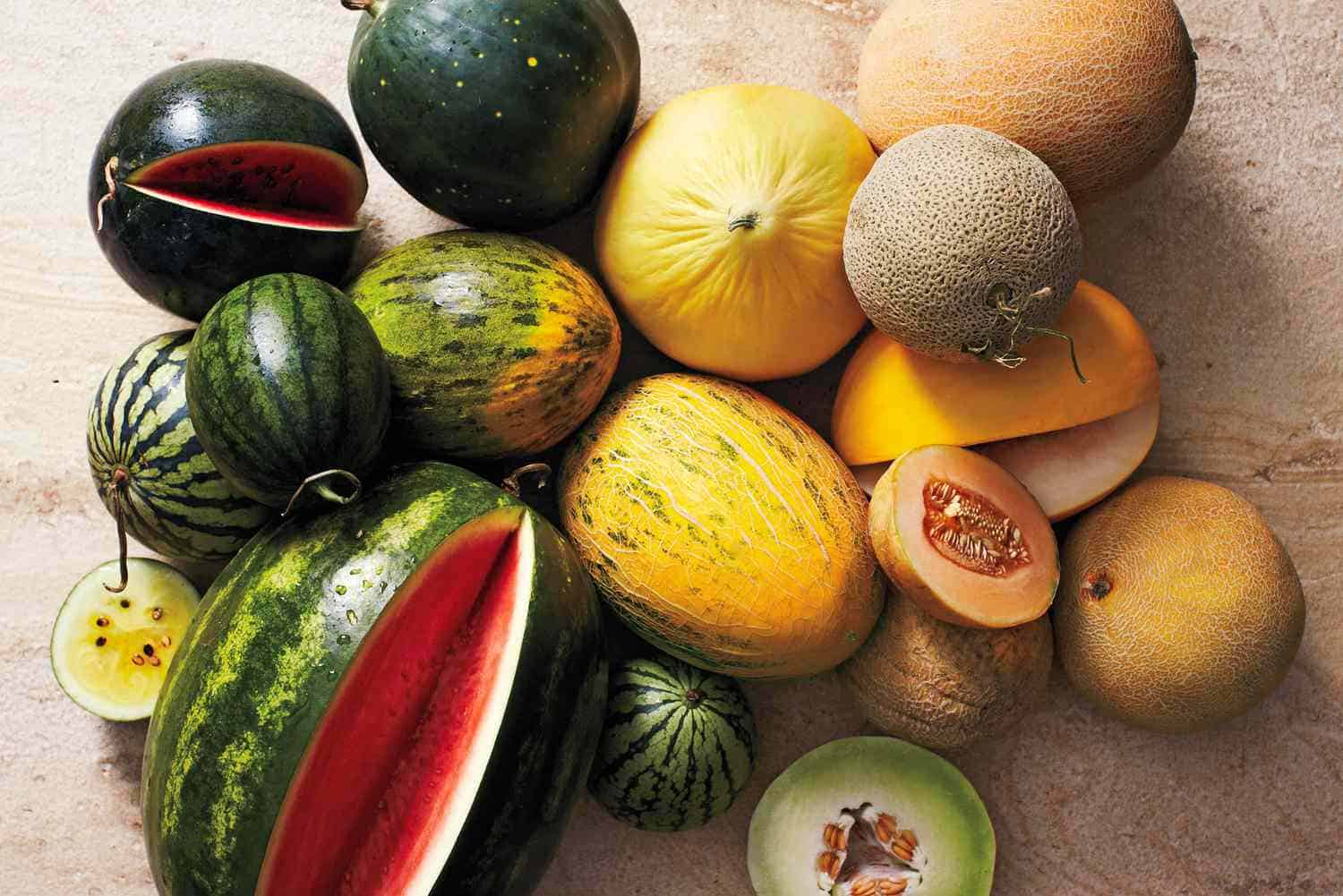
A melon is any of various edible fruits produced by plants in the family Cucurbitaceae, characterized by their sweet, fleshy interiors separated from a central seed cavity. While the term commonly brings to mind favorites like cantaloupe and honeydew (both cultivars of *Cucumis melo*), the family also includes the beloved watermelon (*Citrullus lanatus*) and intriguing varieties like winter melon (*Benincasa hispida*).
*Cucumis melo*, the most diverse species we often refer to as "melons," is a fascinating annual vine. Native to regions spanning Africa and Asia, its cultivation dates back thousands of years. This species boasts an incredible array of cultivars, each offering unique traits in size, shape, rind texture (from smooth to netted or warty), and flesh color (green, orange, white, or even pink). From the well-known netted muskmelons (Cantalupensis group, including North American cantaloupes) to the smooth-skinned winter melons like honeydew and casaba (Inodorus group), there’s a melon for every palate and preference. To delve deeper into the fascinating world of
Melon Varieties Revealed: A Journey from Ancient Asia to Your Plate, explore the rich history and diversity.
Nutritional Powerhouse in a Sweet Package
Beyond their delightful flavor, melons are a nutritional boon. They are remarkably low in calories yet incredibly rich in water, often exceeding 90% of their composition. This makes them an excellent choice for staying hydrated during the warmer months. Nutritionally, melons provide a good source of vitamin C, essential for immune function, and precursors to vitamin A, such as beta-carotene, which is vital for vision and skin health (especially abundant in orange-fleshed varieties like cantaloupe). They also contribute potassium, important for blood pressure regulation, and folate. These nutritional benefits, combined with their refreshing taste, solidify melons as a truly healthy summer fruit.
Laying the Groundwork: Preparing for Your Melon Patch
Successful melon cultivation hinges on proper planning and preparation. These warm-season crops thrive under specific conditions.
Choosing the Right Location and Soil
Melons are sun-worshippers. They require **full sun**, meaning at least 6-8 hours of direct sunlight per day, to produce sweet, abundant fruit. Choose a spot in your garden that receives ample sun exposure throughout the growing season.
Equally important is the soil. Melons prefer **well-drained, fertile soil** that is rich in organic matter. A slightly acidic to neutral pH (ideally between 6.0 and 7.0) is optimal. Before planting, amend your soil with a generous amount of compost or aged manure. This not only improves fertility but also enhances drainage and helps retain moisture, providing the perfect environment for your melon vines to flourish. Avoid heavy, compacted clay soils, which can lead to root rot and stunted growth.
Selecting Your Melon Varieties
With such a diverse family, choosing the right melon variety for your garden is an exciting step. Consider your local climate, available space, and personal taste preferences.
* **Cantaloupes (Muskmelons):** Known for their netted rinds and aromatic, sweet orange flesh. Many varieties mature within 70-90 days.
* **Honeydews:** Characterized by their smooth, pale rinds and sweet, typically green or white flesh. They often require a longer growing season, around 90-100 days.
* **Watermelons:** Ranging from small "icebox" types perfect for containers to giant traditional varieties. They are exceptionally hydrating with their crisp, red flesh. Maturity times vary widely from 70-120 days.
* **Specialty Melons:** Don't shy away from exploring unique heirlooms or less common types like Ambrosia, Galia, or specialty Asian melons if your climate permits.
Research the maturity dates for your chosen varieties and ensure they fit within your region's frost-free growing period, which typically needs to be 70 to 100 days depending on the type. For gardeners with limited space, compact bush varieties or those suitable for trellising are excellent choices.
Planting Your Melon Seeds or Starts
Melons are sensitive to cold, so timing your planting is crucial. Wait until all danger of frost has passed and the soil has thoroughly warmed up, ideally to at least 65°F (18°C).
* **Direct Sowing:** In warmer climates with long growing seasons, you can sow seeds directly into the garden. Plant seeds about 1 inch deep and 3-4 feet apart in rows, or in "hills" of 2-3 seeds, with hills spaced 4-6 feet apart. The vining growth habit of melon plants means they will spread significantly, often reaching lengths of 6 to 20 feet.
* **Starting Indoors:** For gardeners in regions with shorter growing seasons, starting melon seeds indoors 3-4 weeks before the last frost date can give them a head start. Use biodegradable pots to minimize transplant shock, as melon roots don't like to be disturbed. Harden off seedlings gradually before transplanting them outside.
Nurturing Your Melon Vines to Harvest
Once your melon plants are established, consistent care will pave the way for a bountiful harvest.
Watering and Fertilizing
Consistent moisture is vital for melons, especially as they begin to flower and set fruit. Aim for deep, regular watering, providing about 1-2 inches of water per week, either from rainfall or irrigation. Water at the base of the plants to avoid wetting the foliage, which can encourage fungal diseases like powdery mildew. Reduce watering slightly as fruits approach maturity to concentrate sugars and enhance sweetness.
In terms of feeding, start with a balanced fertilizer when plants are young. Once flowering begins and fruit sets, switch to a fertilizer higher in potassium and phosphorus to support fruit development, rather than excessive leaf growth. Organic options like fish emulsion or compost tea can also provide beneficial nutrients.
Pest and Disease Management
Melon plants can be susceptible to various pests and diseases. Vigilance is your best defense.
* **Pests:** Common culprits include aphids, squash bugs, and cucumber beetles. Regularly inspect your plants and hand-pick larger pests or use organic insecticidal soaps for smaller infestations. Row covers can protect young plants from early pest attacks.
* **Diseases:** Powdery mildew is a frequent problem, especially in humid conditions. Ensure good air circulation, avoid overhead watering, and consider planting resistant varieties. Fungicides (organic options available) can be used as a last resort. Crop rotation can also help prevent soil-borne diseases.
Support and Pruning (Optional but Recommended)
While melons are traditionally grown on the ground, providing support can offer several benefits:
* **Space Saving:** Trellising allows vines to grow vertically, saving valuable garden space.
* **Improved Air Circulation:** Elevating the plants reduces the risk of fungal diseases.
* **Cleaner Fruit:** Melons grown off the ground are less prone to rot and pest damage.
* **Even Ripening:** Exposure to sunlight on all sides can lead to more uniformly ripened fruit.
For heavier melons, ensure your trellis is sturdy enough to support the weight of the ripening fruit, using slings or nets for individual melons. Pruning can be done to manage vine growth and potentially concentrate energy into fewer, larger fruits, though this may reduce overall yield. For home gardeners, minimal pruning is often sufficient, focusing on removing diseased or damaged foliage.
The Sweet Reward: Harvesting and Enjoying Homegrown Melons
The culmination of your hard work is the moment you slice into your very own homegrown melon. Knowing when to harvest is key to maximizing sweetness and flavor.
Knowing When to Harvest
Unlike some fruits, melons do not significantly sweeten after being picked. Therefore, harvesting at peak ripeness is essential. Here are some tips for common melon types:
* **Cantaloupe (Muskmelons):** The "slip stage" is the best indicator. A ripe cantaloupe will separate easily from the vine with a gentle tug, leaving a clean "scar" (full slip). It will also develop a strong, sweet aroma and the netting on its rind will become more pronounced.
* **Honeydew:** These melons typically require more careful observation. Look for a subtle color change from pale green to a creamy or yellowish-white. The rind should feel slightly waxy, and a slight softness might be detected at the blossom end. Unlike cantaloupes, honeydews usually do not "slip" from the vine naturally; they need to be cut.
* **Watermelon:** Look for a dull, not shiny, rind. The "ground spot" – the part of the melon that rested on the ground – should turn a rich, creamy yellow. Give it a firm tap; a ripe watermelon will produce a deep, hollow sound. The tendril closest to the fruit stem might also dry out.
Storing and Savoring Your Harvest
Once harvested, whole, uncut melons can be stored in a cool, dark place for a few days to a week, depending on the variety and ripeness. Once cut, melons should be refrigerated promptly to maintain freshness and prevent bacterial growth. Cover cut surfaces tightly with plastic wrap.
The possibilities for enjoying your homegrown melons are endless. From simple, refreshing slices and vibrant fruit salads to more elaborate desserts, smoothies, and even savory dishes with prosciutto (as mentioned for cantaloupe), their versatility is remarkable. While homegrown deliciousness is undeniable, it's worth noting the impressive scale of
Global Melon Production: China's Dominance & Key Export Regions, supplying these delightful fruits worldwide.
Growing melons at home is a deeply satisfying endeavor that connects you directly to nature's bounty. The unparalleled flavor and refreshing hydration of a homegrown melon on a summer's day are rewards that make every effort worthwhile. With proper planning, consistent care, and a little patience, you can transform your garden into a productive melon patch, enjoying the sweet, succulent taste of summer straight from your backyard.