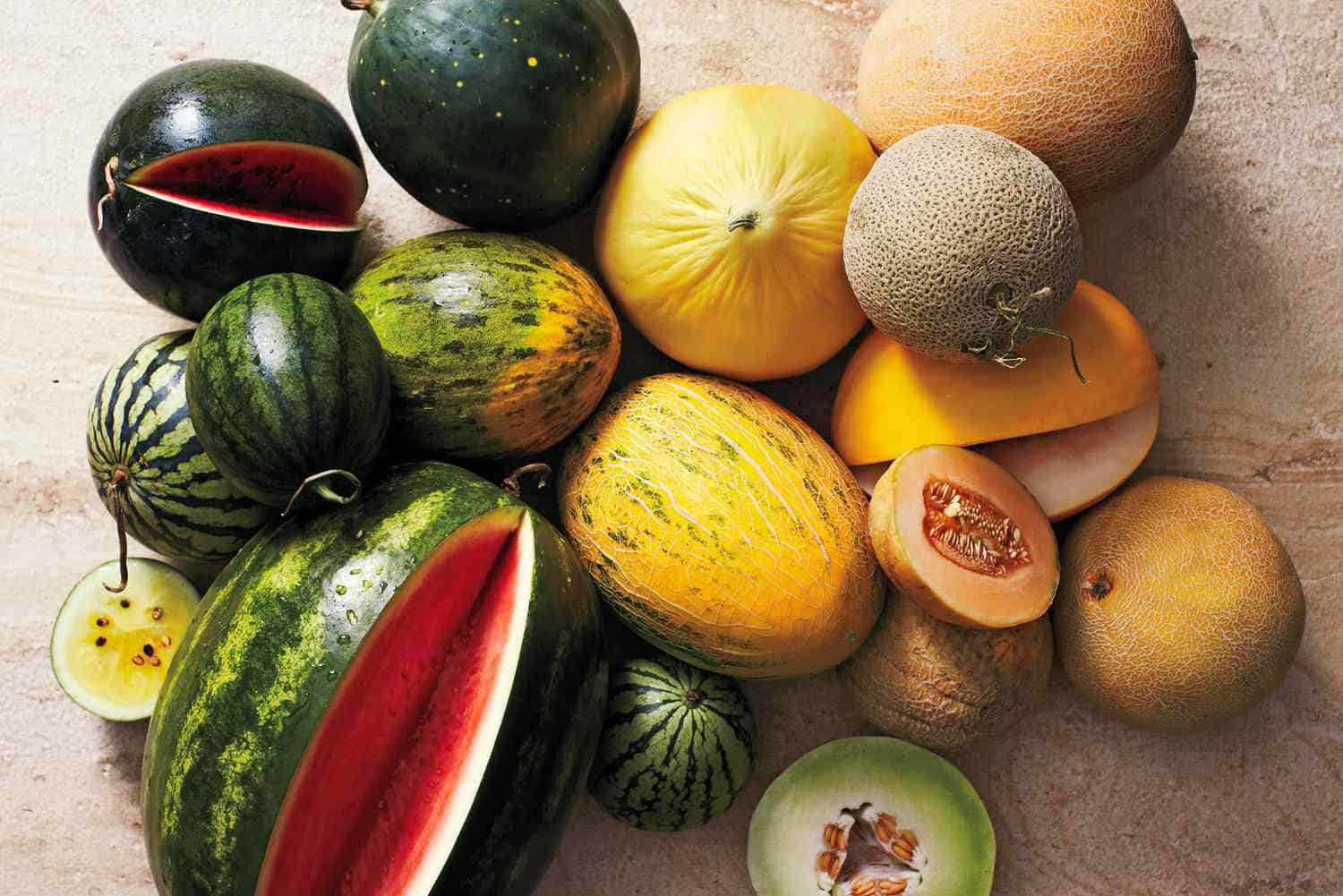
Melon Varieties Revealed: A Journey from Ancient Asia to Your Plate
From a refreshing slice of watermelon on a hot summer day to a sophisticated prosciutto-wrapped cantaloupe appetizer, melons have graced tables and delighted palates for millennia. These sweet, fleshy fruits, members of the diverse Cucurbitaceae family, offer a world of flavors, textures, and nutritional benefits. But what exactly defines a melon, and how did this beloved fruit embark on its incredible journey from ancient origins in Africa and Asia to become a global culinary staple?
The Botanical Tapestry: Understanding the Melon Family
At its core, a melon is an edible fruit distinguished by its sweet, often watery flesh surrounding a central cavity filled with seeds. While the term broadly encompasses famous varieties like watermelon, it most commonly refers to the diverse fruits of the species Cucumis melo. This trailing annual vine, part of the gourd family (Cucurbitaceae), boasts an astonishing array of cultivars, each unique in its appearance and taste.
Cucumis melo originated in regions spanning Africa and Asia, undergoing multiple domestication events over thousands of years. This long history of cultivation has led to remarkable variation in fruit morphology: you’ll find melons ranging from small, snack-sized types to giants exceeding 10 kg, with shapes from perfectly round to oval or elongated. Their rinds can be smooth, distinctly netted, or even warty, while the flesh inside might be vibrant green, deep orange, creamy white, or even delicate pink.
Botanists broadly classify C. melo into two subspecies: C. melo subsp. melo, which includes most cultivated sweet types, and subsp. agrestis, encompassing wild or semi-wild forms. Within the cultivated subspecies, several key cultivar groups stand out:
- Cantalupensis: Often referred to as netted muskmelons, this group includes the familiar North American cantaloupes, characterized by their rough, netted rinds and sweet, aromatic orange flesh.
- Inodorus: These are the "smooth winter melons," famous for their smooth rinds and often longer shelf life. Honeydew and casaba melons are prime examples, known for their distinctively sweet, often pale green or white flesh.
- Conomon: This group includes various pickling melons, less commonly eaten fresh but valued for their crisp texture and ability to absorb flavors.
- Flexuosus: Known as snake or Armenian cucumbers, these elongated, often ribbed fruits are botanically melons but are typically used as vegetables, much like cucumbers.
Beyond Cucumis melo, other notable melons include the undisputed king of summer, Citrullus lanatus (watermelon), and the unique Benincasa hispida (winter melon), often used in Asian cuisines for savory dishes and soups.
A World of Flavors: Popular Melon Varieties and Beyond
The sheer diversity of melon varieties means there's a perfect fruit for every palate and occasion. While a few giants dominate the global market, a deeper dive reveals a treasure trove of unique tastes and textures.
The Big Three: Watermelon, Cantaloupe, and Honeydew
- Watermelon (Citrullus lanatus): A quintessential summer treat, watermelon is celebrated for its incredibly high water content (over 90%), crisp texture, and refreshing sweetness. Its vibrant red or pink flesh, speckled with black seeds (or seedless), makes it a picnic favorite.
Tip for picking a ripe watermelon: Look for a deep green, symmetrical melon with a creamy yellow or orange "ground spot" where it rested on the soil. Give it a firm tap; a deep, hollow sound usually indicates ripeness.
- Cantaloupe (Cucumis melo var. cantalupensis): Known for its distinctive netted rind and aromatic orange flesh, cantaloupe offers a firmer, less watery texture than watermelon. Its musky sweetness pairs beautifully with savory elements like prosciutto or a sprinkle of sea salt, making it a versatile ingredient in salads and appetizers.
- Honeydew (Cucumis melo var. inodorus): With its smooth, pale green or yellow rind and vibrant, sweet green flesh, honeydew is a refreshing choice. It has a slightly firmer texture and a delicate, floral sweetness. Try it dusted with Tajín for a delightful sweet-and-spicy kick, or blend it into refreshing drinks.
Exploring Beyond: Lesser-Known Gems
While the big three are supermarket staples, there are many other delightful melon varieties waiting to be discovered:
- Casaba Melon (Cucumis melo var. inodorus): A close cousin to honeydew, casaba has a wrinkled, yellow rind and a mild, subtly sweet white flesh. It's often found in fruit salads due to its firm texture.
- Galia Melon (Cucumis melo var. cantalupensis): A hybrid melon, Galia features a netted rind similar to cantaloupe but ripens to a golden-yellow hue. Its green flesh is exceptionally aromatic and sweet, with a distinct tropical flavor.
- Canary Melon (Cucumis melo var. inodorus): Easily recognizable by its bright yellow rind and pale green to white flesh, the Canary melon offers a tangier, slightly spicy flavor when fully ripe, becoming sweeter as it matures.
- Piel de Sapo (Frog Skin) Melon (Cucumis melo var. inodorus): This Spanish melon has a distinctive dark green, mottled rind resembling a frog's skin, and a firm, sweet white flesh. It's known for its excellent keeping quality.
- Winter Melon (Benincasa hispida): Unlike its sweet relatives, winter melon has a mild, almost cucumber-like flavor. It's often used in Asian savory dishes, stews, and candies due to its ability to absorb flavors and its incredibly long shelf life.
Nutritional Powerhouse and Cultivation Insights
Beyond their delightful taste, melons are nutritional champions. They are incredibly low in calories but rich in water (often over 90%), making them excellent for hydration, especially during warmer months. Nutritionally, melons provide a good source of:
- Vitamin C: A powerful antioxidant that supports immune function and skin health.
- Vitamin A precursors (like beta-carotene): Especially abundant in orange-fleshed varieties like cantaloupe, crucial for vision and immune health.
- Potassium: Essential for maintaining fluid balance, nerve signals, and muscle contractions.
- Folate: Important for cell growth and function.
For those interested in cultivating their own supply of these sweet delights, Cucumis melo thrives as a warm-season crop. It demands full sun, well-drained, fertile soils, and average temperatures ranging from 65–85°F (18–29°C). A frost-free growing period of 70–100 days is typically required, depending on the specific variety. With proper care, including consistent watering and support for vining types, a bountiful harvest can be achieved. For more detailed guidance on nurturing your own melon patch, explore our Melons: Your Guide to Growing Sweet, Hydrating Summer Fruit at Home.
Global Reach: Production and Culinary Versatility
The global appetite for melons is immense. In 2023, the production of cantaloupes and other melons (excluding watermelons) surpassed 29 million metric tons. China led the charge, accounting for nearly half of this global output, followed by significant contributions from Turkey, India, Kazakhstan, and Iran. Major export regions, particularly Central America and the Mediterranean, ensure these succulent fruits reach consumers worldwide. To understand the full scope of this booming industry, check out Global Melon Production: China's Dominance & Key Export Regions.
Melons are primarily enjoyed fresh, sliced, or in fruit salads. However, their culinary applications extend far beyond. They are popular ingredients in smoothies, juices, and cocktails, and their natural sweetness makes them a fantastic addition to desserts. Ongoing breeding efforts continue to enhance their appeal, focusing on disease resistance, extended shelf life, and even more nuanced flavor profiles, promising an even richer future for these ancient fruits.
Conclusion
The journey of the melon, from its humble origins in ancient Asia and Africa to its myriad forms gracing plates across the globe, is a testament to its enduring appeal. Whether you prefer the classic refreshment of watermelon, the aromatic sweetness of cantaloupe, the delicate flavor of honeydew, or are adventurous enough to explore the lesser-known varieties, melons offer a diverse and delicious experience. Rich in hydration, vitamins, and minerals, these versatile fruits are more than just a sweet treat—they are a vibrant connection to a rich botanical and cultural history, promising healthy indulgence with every juicy bite.
